Why We Named Our Cabins After Narnia Characters

April 8, 2026

Wardrobes to simpler times

Most of us who grew up on The Chronicles of Narnia remember the feeling more than the plot. The hush of the wardrobe door closing behind you. The crunch of snow that shouldn't be there. The sense that you've stepped, by accident, into somewhere the ordinary rules don't apply.

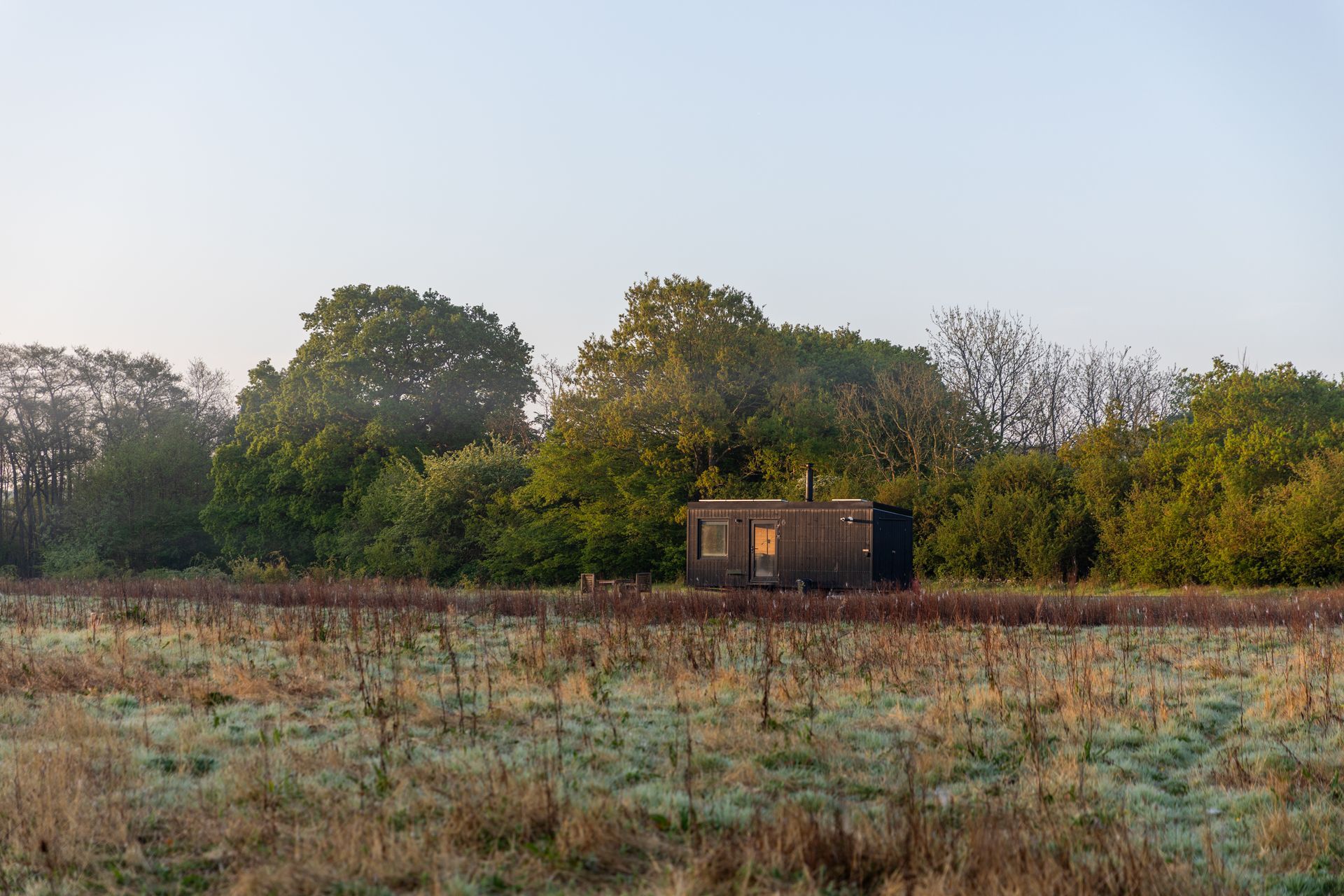
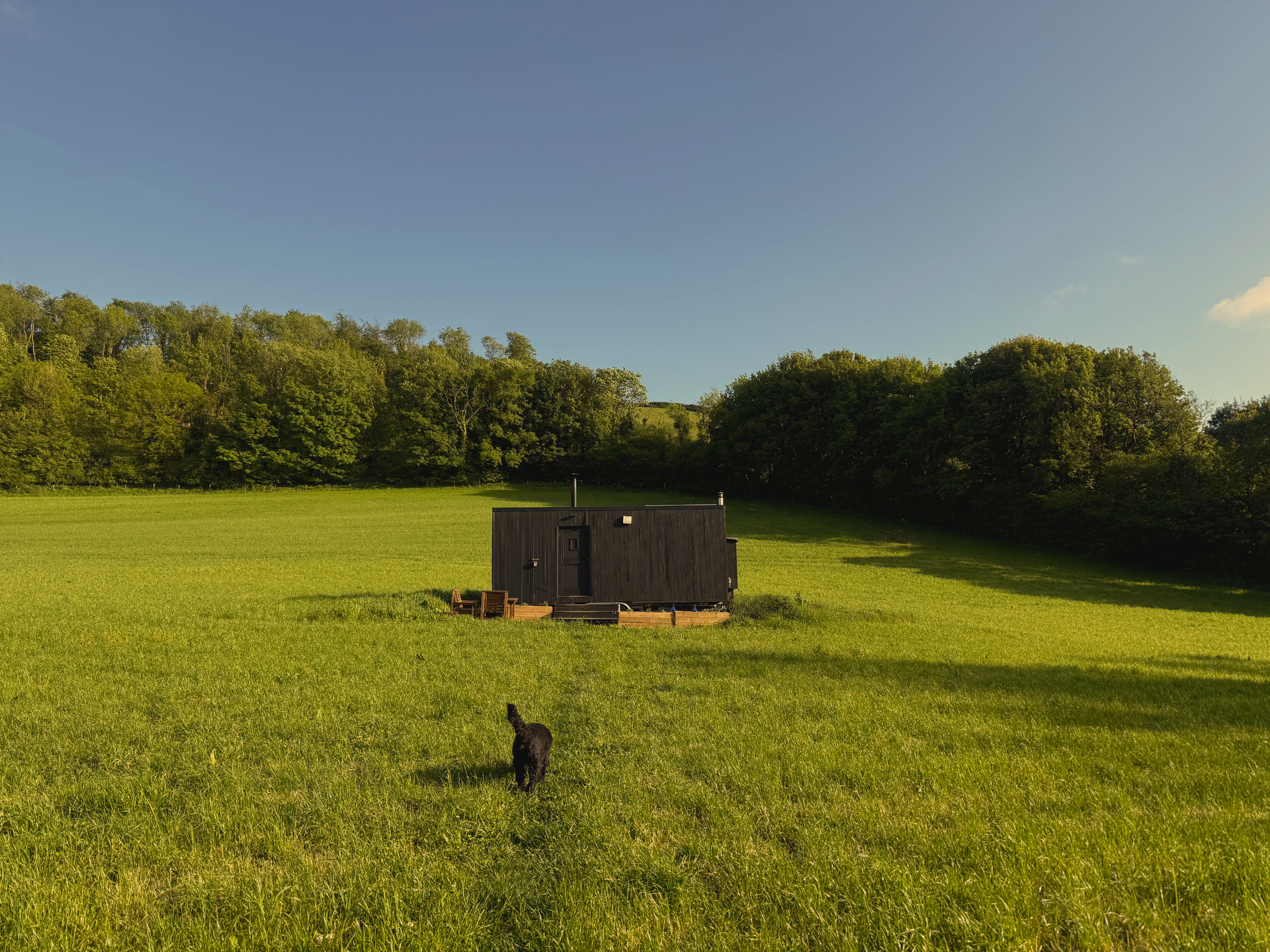
That feeling is exactly what we want guests to have when they walk across the field to their cabin. You park the car, close the gate behind you, follow the path through the long grass, and somewhere along the way the week you've just had starts falling off your shoulders.

Each cabin is named for a character chosen because something about them felt right for the landscape. 

Here's who lives where.

  • Aslan belongs here for the obvious reason. He's the heart of the whole thing: regal, old, quietly powerful, tied to the deep magic of a place. Sit outside with a cup of tea and watch the mist roll off the hills, and you'll understand.
  • Tumnus is his gentler neighbour. The faun with the umbrella who invites Lucy in for tea and sardines by the fire. The welcoming one, the cosy one, the place you come back to after a long walk and feel immediately looked after.


  • Lucy is the one who finds Narnia first. The youngest, quietly brave, the one who believes in things before anyone else does. Her cabin has that sense of discovery: pushing through a gate, walking across a field, finding something nobody else has quite noticed yet.
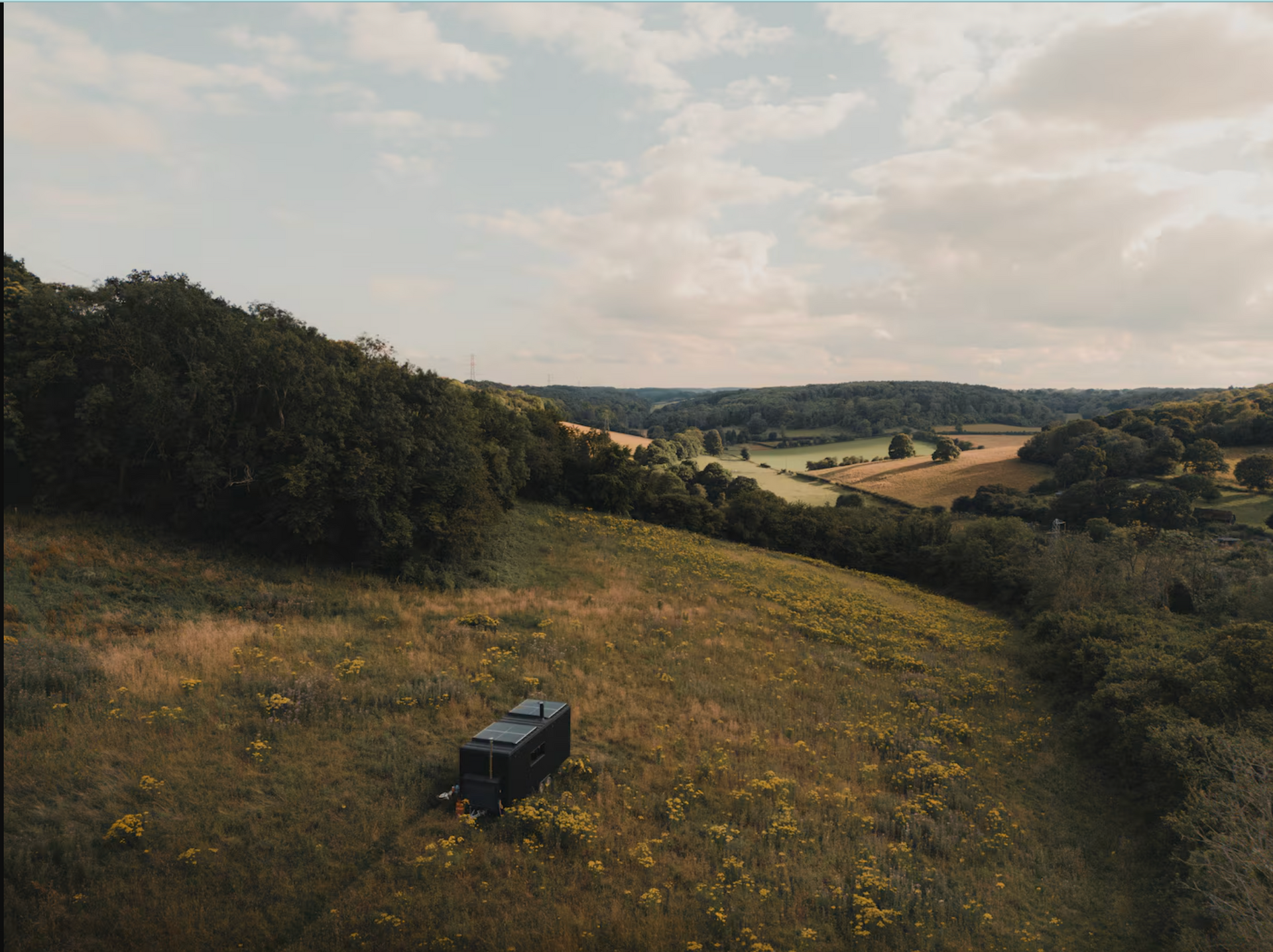
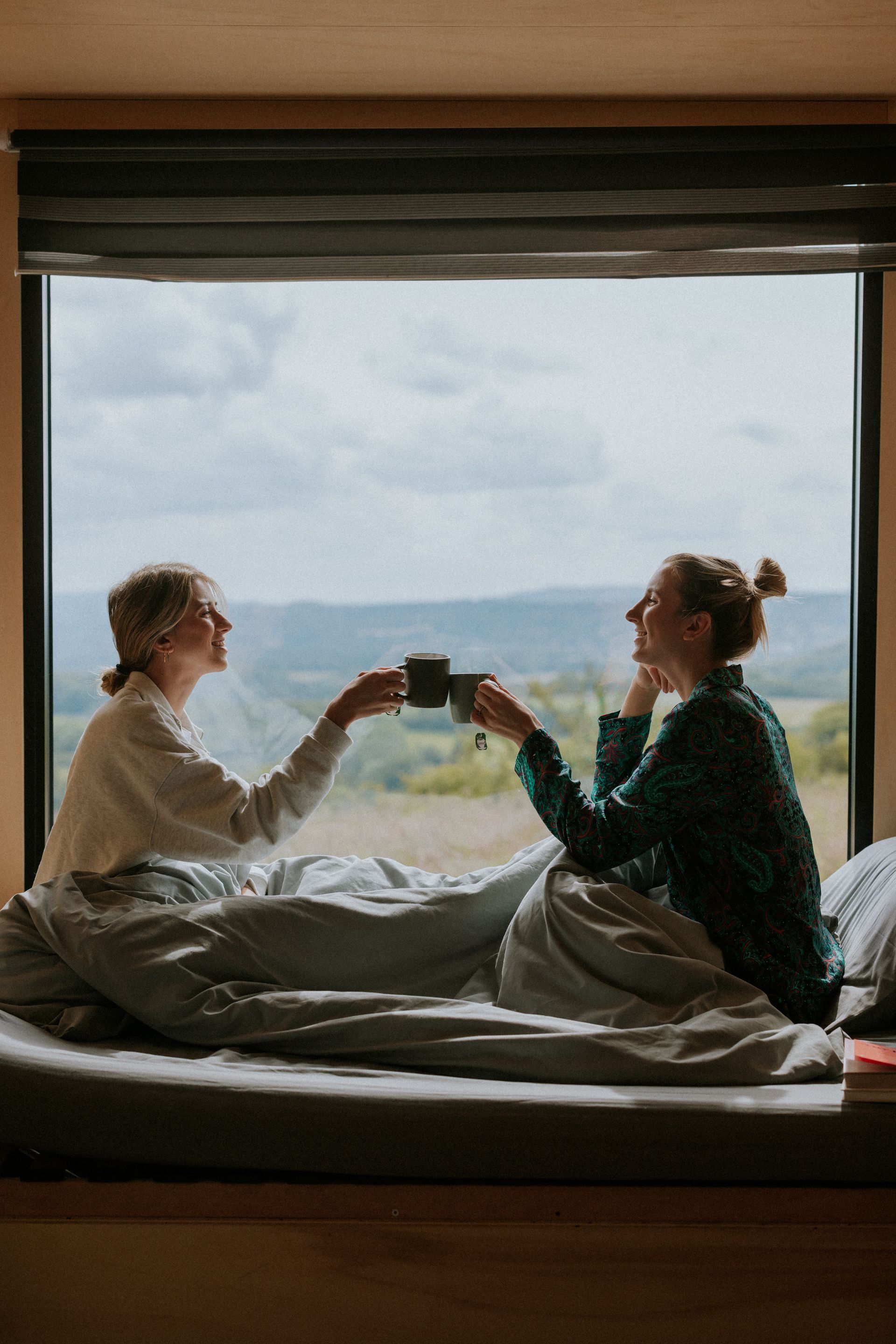
  • Susan is the elder sister. Steadier, more considered. Her cabin is the grounded one, with the most amazing valley views where you find yourself staring for hours.


  • Jadis is the White Witch, which sounds ominous until you remember her Narnia was buried under endless, beautiful snow. This cabin sits higher and more exposed, and on a frosty morning when the whole valley is silver and your breath hangs in the air, the name makes complete sense.
  • Caspian is the young prince who sails east to find the edge of the world. His cabin has that outward-looking, horizon-seeking feeling. The one where your morning coffee turns into plans for walking further than you meant to.


  • Hwin is the mare from The Horse and His Boy. Gentle, thoughtful, quietly wise. Her cabin is the calming one, the place for people who need to be reminded what their own thoughts sound like.
  • Reepicheep is the opposite. The bravest mouse in all of Narnia, forever itching for adventure. This one is for the walkers who can't sit still and want to be out on the footpaths by nine in the morning. Small, mighty, sends you out into the day ready for anything.


  • Cornelius is Caspian's old tutor, the half-dwarf scholar who teaches him the true history of Narnia by candlelight. The bookish cabin. The one you bring a stack of novels to and end up writing in a notebook for the first time in years.
  • Rabadash is the hot-headed prince from The Horse and His Boy. An unusual cabin name until you realise Rabadash is unforgettable. This one has personality. It's the one guests remember.
  • Miraz is Caspian's uncle, a king with a certain commanding presence. The cabin sits well in its field and holds its ground.


  • Bree is the proud war horse from The Horse and His Boy. The showier cabin, the one with the view that makes people stop talking for a minute when they walk in.
  • Aravis is the runaway princess who rides with Bree across the desert. Fierce, independent, stubbornly kind. Her cabin is for the people who came here to do things their own way: solo weekends, girls' trips, anything that starts with "right, I need to get away."
  • Edmund is the Pevensie who goes wrong and then goes right again, and by the end of the books he's the quiet, just one. His cabin has that same steadiness. Forgiving, warm, the one you come to when you need to put a hard week behind you.
  • Tirian is the last king of Narnia. There's a bittersweet quality to him, a sense of an ending that's also a beginning. His cabin sits at the edge of things, where the ordinary world runs out and something quieter takes over.
April 8, 2026
Most of us love a long walk and a proper pub lunch, but ask what the Countryside Code actually says and you'll get a vague answer about closing gates and picking up litter. That's fair. It's not something anyone really teaches you, and the detail has shifted over the years. So here it is in plain English. What the Code actually asks of you when you step out of the cabin on a Saturday morning. It's built around three words: Respect. Protect. Enjoy. Respect This is the bit about other people. The farmers, the dog walkers, the family coming the other way on a narrow path. Don't block field gates, driveways, or passing places when you're parking. Tractors and emergency vehicles need to get through at all hours. Follow the signs. If a footpath is closed or a sign asks you to detour, there's a reason. Usually livestock, sometimes a fallen tree. Trust it. Leave gates as you find them. Open stays open, closed stays closed. Farmers set gates deliberately and there's almost always a reason. Say hello. Sounds twee, genuinely matters. A smile and a "morning" to the dog walker coming the other way costs nothing and keeps the countryside feeling like the friendly place it mostly is. Protect Stick to the path. Even when it's muddy and there's a lovely dry strip of grass next to it, stay on the muddy bit. That dry strip is probably growing something, and marked paths exist to keep walkers out of crops and away from nesting birds. Take everything home. Not just the obvious rubbish. Apple cores, orange peel, sandwich crusts. Food waste doesn't biodegrade as fast as people think. It sits around attracting animals that shouldn't be fed. Don't light fires. Open fires in the countryside are almost never allowed, even small ones. Dry grass and heathland catch in seconds. Our fire pits at the cabin are fine because they're contained. Anywhere else, assume no. Keep dogs close. Between 1 March and 31 July there's a legal requirement on open access land to keep dogs on leads because of nesting birds. Around livestock, leads go on full stop. Leave what you find. Wild flowers, birds' eggs, interesting stones, antlers in the woods. All of it belongs where you found it. Take photos instead. Enjoy The third pillar is the one people forget exists. The Code isn't just a list of things not to do. It's an active encouragement to have a proper time. Plan ahead a little. Check the forecast. Bring the right kit. Tell someone where you're going if it's remote. Download a map offline because phone signal in the places worth walking is famously unreliable. And more than any of that, let yourself actually be there. Put the phone away. Stop and watch the kestrel. Pick blackberries if it's August. Sit on a bench for twenty minutes doing nothing. Have the second pint. Walk slower than you think you should. The whole point of the countryside is that it's not the rest of your life. If you stride through it like you're crossing it off a list, you've missed the thing. Be considerate. Know roughly how to behave around livestock and nesting birds. Leave no trace.
January 13, 2026
There's a particular pleasure in being somewhere where your nearest pub is a two-minute walk down a quiet lane, and the pub in question has a thatched roof, a proper fire, and has been there for longer than anyone can remember. Our Dorset cabin sits in one of the prettiest, sleepiest corners of the county, and one of the small unexpected gifts of staying here is how good the food and drink gets once you start poking around the surrounding villages. We thought we'd pull together the places we send guests to most often and most of them are walkable from the cabin if you fancy earning your lunch the proper way. The Brace of Pheasants, Plush (two minutes on foot) Start here. Thatched roof, open fire, a garden that catches the evening sun, and a menu where everything sounds like exactly what you want to eat after a day on the hills. It's the most-loved recommendation we give out, and there's something perfect about being able to wander down for a pint. Book ahead at weekends. The Gaggle of Geese, Buckland Newton (three miles, walkable) Walk to lunch, roll home slowly. The Gaggle of Geese does a Sunday roast people actively plan weekends around, and there are skittle alleys if you want to lean into the full country-pub experience. The walk from the cabin takes you through Dorset countryside, which means you arrive hungry and leave happy. This is the one to build a Sunday around. The Old Chapel Stores, Buckland Newton (two miles) Your village shop for the essentials, and also for the nice things you forgot. Bread, eggs, bacon, milk, a bottle of wine, the papers. It's open until six most days (midday on Sundays), and it's the place where the stock reflects the community. Stopping here on the way in, instead of doing a big supermarket shop, is one of those choices that makes the whole weekend feel more like an escape. The money also stays in the village, which matters. The Royal Oak, Cerne Abbas (four miles) Cerne Abbas is worth a trip on its own. You've got Britain's largest chalk figure striding across the hillside above the village (and yes, he's quite something), a pretty high street full of honey-coloured stone, and two excellent pubs to choose from. The Royal Oak is the classic. Great food, lovely garden, and if you walk up to see the Giant first you'll have properly earned your pudding. The New Inn, Cerne Abbas (four miles) The other pub in Cerne Abbas, and especially useful in winter because it stays open Sunday evenings and Mondays when a lot of country pubs shut up shop. The food is proper and the welcome is warm. Between the Royal Oak and the New Inn you could happily alternate across a whole weekend and never eat the same thing twice. The Thimble Inn, Piddlehinton (two and a half miles) Tucked into a low-ceilinged old building in a village with one of the great village names of England. The Thimble does serious food in an unserious setting, which is our favourite combination. Good for a long, slow lunch when the weather's dreich and you want somewhere that feels like it's hugging you.
August 10, 2025
No emails. No social media scroll. No endless notifications. Just the two of you, good food, a cosy cabin, and nature as your backdrop. That’s what an off-grid romantic getaway is all about - space to breathe, time to really look at each other, and moments that feel like they could have been lifted from a love story. Mornings that start slow Forget alarms and rushing around. Mornings here are slow and peaceful - you wake up to birdsong, sunlight spilling through the windows, and maybe a lazy coffee in bed before the day begins. There’s no pressure to “do” anything except enjoy being together. Cooking together... your way One of the unexpected joys of staying in an off-grid cabin is cooking together. Light the stove, pour a glass of wine, and make something simple but delicious - pasta with fresh herbs, steak on the fire pit, or pancakes in the morning. With no TV in the background or phones on the table, it’s just you, the food, and the quiet rhythm of cooking side by side. Afternoons exploring Take a long walk through the woods, wander along a beach, or find a trail that leads to a cosy pub. The point isn’t to tick off landmarks but to talk, laugh, and enjoy each other’s company. Our cabins are set in Areas of Outstanding Natural Beauty, so every step outside is postcard-worthy. Evenings under the stars When the sun sets, you realise just how magical the night can be without streetlights or screens. Sit outside with a blanket, light the fire pit, and watch the stars slowly appear. It’s quiet enough to hear the crackle of the fire and the sound of your own thoughts. Why going off-grid works for couples It’s not about being off-grid for the sake of it but about making space for each other. Without the constant pull of work emails or social media, you notice the little things again: the way they smile, the way they make tea, the way your conversations wander late into the night. Whether it’s your first trip together or you’ve been a couple for years, an off-grid romantic escape is a reminder of why you fell for each other in the first place. And when you head home, you take that feeling with you.
July 29, 2025
Every single one of our cabins is dog-friendly, so you never have to choose between a proper break for you and a kennel stay for them. From coastal fields in Dorset to quiet woodland in East Sussex, and from rolling Cotswold hills to wide open Canterbury meadows, each of our locations is hand-picked for space, scenery, and the kind of walks you’ll still be talking about months later. Off-grid, not off-comfort Going “off-grid” doesn’t mean giving up your creature comforts. Our cabins are kitted out with hot showers, proper beds with thick duvets, kitchens with everything you need, and wood-fired stoves for those cosy post-walk evenings. It’s luxury you can actually relax into — without worrying about muddy paws or being too far from nature. Walks from your door The beauty of our sites is that you don’t need to get in the car to find a great walk. Cotswolds – Miles of trails, village loops, and pub walks like Dunkertons Cider Taproom or The Frogmill. Dorset – Coastal paths with sweeping sea views and open fields to roam. East Sussex – Woodland tracks, hidden clearings, and easy links to the South Downs Way. South Downs - Consistently amazing views wherever you go, always able to end in a cosy pub Canterbury – Big skies, rolling meadows, and riverside routes that lead to some of Kent’s best country pubs. Pubs that welcome paws We’ve personally tested the nearby pubs (someone had to). Think crackling fires, water bowls by the door, and bar staff who greet your dog before you. Whether it’s a post-walk pint, Sunday roast, or a coffee stop, you’ll find a warm welcome in every location. Things to know before you book One dog is welcome in each cabin Please bring their bed or blanket so they feel at home Outdoor space is private but not fully enclosed, so leads are a must for wanderers Our locations are rich in wildlife, so please keep dogs under control near livestock and nesting birds A dog-friendly trip should be just that - space for you and your dog to relax, roam, and recharge. So pack the lead, bring their favourite biscuits, and escape somewhere where the walks are wild, the nights are cosy, and the only time you’ll check the time is to see when the sun sets.
July 15, 2025
There's a particular kind of peace you only find in the places we've chosen for our cabins. It's the quiet of a hedgerow waking up at dawn, of a buzzard turning lazy circles over a wheat field, of a fire crackling while the stars do their slow, silent thing overhead. That quiet is the whole point and it's surprisingly easy to protect once you know how. The Cotswolds, Canterbury, Dorset, East Sussex, the South Downs. These are all Areas of Outstanding Natural Beauty (or National Landscapes, as they're now called), and they're beautiful precisely because generations of people have treated them gently. We'd like to keep it that way. Which brings us to the Countryside Code. So, what actually is the Countryside Code? The short version: it's a set of guidelines, first written in 1951 and refreshed every so often since, that helps everyone enjoy the countryside without wrecking it for the wildlife, the farmers, or each other. It's not a rulebook with a man in a tweed cap waiting to fine you. It's more like good manners for being outdoors, organised around three lovely, simple words: Respect. Protect. Enjoy. We think that's a pretty good philosophy for a weekend off the grid, too. Here's how it shapes the way we run our sites, and the small things we ask of guests while they're with us. Leave no trace (and we mean no trace) Leave no trace is exactly what it sounds like. When you pack up and drive home, the area your cabin sits on should look the same as it did when you arrived. No rubbish left behind, no cigarette ends tucked into the grass, no forgotten wine bottle behind the log store. We provide bins and we ask that anything that came with you leaves with you, food scraps included. Apple cores and banana skins don't magically disappear, they just sit there for months looking sad. If you've had a fire in the fire pit, we'll show you how to put it out properly and what to do with the cold ashes. Dark skies are a gift One of the best things about our locations is that you can actually see the stars. Proper stars. The kind most people have forgotten exist because they live under a permanent orange glow. Dorset and the South Downs in particular have some of the darkest skies in southern England, and we'd like to keep them that way. This is why you won't find floodlights or fairy lights strung across our sites. We ask guests to keep outdoor lighting to a minimum (a head torch for nipping to the compost loo, a lantern by the fire) and to point any light they do use downwards, never out across the fields. Your eyes adjust faster than you'd think. Within twenty minutes the Milky Way shows up like it's been waiting for you. Wildlife was here first Every one of our sites is home to creatures who were there long before we arrived. Barn owls hunting at dusk. Badgers on their nightly rounds. Ground-nesting birds in spring who will abandon their eggs if disturbed. Deer that freeze at the edge of the tree line, waiting to see what you'll do next. The ask is simple: give them space. Keep dogs close, especially between March and July when birds are nesting. Stay on the footpaths. Don't feed anything, however tempting. A fed fox becomes a bold fox becomes a problem fox, and it always ends badly for the fox. And if a hare breaks cover ten feet in front of you on a morning walk, just stop and watch. That's the whole weekend right there. Quiet enjoyment Our sites are designed to sit lightly within the landscape. Guests are asked to minimise vehicle use, avoid artificial lighting where possible, and respect the quiet character of surrounding farmland and neighbouring homes. That means no Bluetooth speakers carrying across the valley, no late-night shouting around the fire, no drones buzzing over the treetops at seven in the morning. Most of our guests arrive desperate for exactly this kind of quiet, so it rarely needs saying. But it's worth saying anyway. The soundtrack here is meant to be wood pigeons, wind in the hedges, and the occasional distant sheep. Be kind to the people who live here The countryside isn't a theme park. It's somebody's home, and for many people it's also their workplace. The farmer whose tractor you pass on the lane is trying to get a job done. The cottage at the end of the track belongs to someone who probably moved there for the same peace and quiet you came looking for. A few small things make all the difference. Drive slowly on single-track lanes. Pull into passing places with a smile and a wave. Buy your bread and eggs from the village shop if there is one. Say hello to the dog walker coming the other way on the footpath. This is how rural communities stay welcoming to visitors, and it costs nothing. Oh, and gates: leave them as you find them. Open stays open, closed stays closed. There's usually a reason. Low vehicle movement Cars are the loudest, most intrusive thing most of us bring into the countryside, so we keep them to the edges. Once you've parked at your cabin, we'd love you to leave the car there for the duration if you can. Walk to the village. Cycle to the pub. Let the kids run the footpaths barefoot. The less the engine turns over, the more the landscape relaxes around you. If you do need to drive during your stay, go gently. Rural lanes are shared with horses, walkers, cyclists, wildlife, and the occasional pheasant who has made a poor life decision. A light footprint, on purpose You'll notice our cabins are deliberately minimal. No extras humming away twenty-four hours a day. No concrete bases. No mains electricity pylons marching across the field. The infrastructure is small because the landscape is the point. Respect. Protect. Enjoy. That's really all it comes down to. The Countryside Code isn't a list of things you're not allowed to do. It's a quiet invitation to be a good guest in somewhere special. Arrive gently, tread lightly, leave it better than you found it if you can, and in return the countryside gives you everything we came here hoping for: stars, silence, the smell of woodsmoke, and a weekend that feels three times longer than it was. We'll see you out there. Close the gate behind you.
July 8, 2025
You don’t need to jump on a plane to feel like you’ve escaped. Some of the most romantic getaways are right here in the UK tucked away in Areas of Outstanding Natural Beauty, where the only things breaking the silence are birdsong and maybe the sound of a pint being poured in a pub garden. Here are a few of my favourite spots, all within about two hours of London, for a weekend that’s more about slowing down, switching off and enjoying each other’s company. 1. The Cotswolds – Hills, Views & Cosy Pubs Journey time: 1.5–2 hours by train or car The Cotswolds just has that thing about it. Our cabins in Andoversford look straight out over the hills — perfect for slow mornings in bed with coffee, watching the sunrise. You can wander down to Dunkertons Cider for an afternoon of drinks and street food, or head to The Frogmill for dinner by candlelight. If you’d rather disappear into the trees, our woodland cabins in Chedworth give you complete privacy. It’s the kind of place where you lose track of time — just you, the birds, and the sound of the wind in the leaves. 2. South Downs – Big Skies & Coastal Air Journey time: 1.5–2 hours by train or car If your idea of romance comes with a sea breeze, head for the South Downs. Rolling chalk hills, winding trails and those huge, open skies. Take a picnic, follow the South Downs Way, and finish the day watching the sun go down with a blanket and something cold to drink. 3. Dorset – Clifftops & Coastal Walks Journey time: Around 2 hours by train or car For couples who love the coast, our Dorset cabins are set in peaceful fields but close enough to the Jurassic Coast for a day of exploring. Walk the clifftops, potter around little fishing villages, and end the day with fish and chips on the beach. Back at the cabin, light the firepit and let the evening drift by. 4. East Sussex – Woodland Hideaways & Country Inns Journey time: Around 2 hours by train or car There’s something special about being tucked away in the woods. Our East Sussex cabins sit at the edge of a willow wood, with trails that lead to country pubs and pretty villages. Inside, you’ve got big panoramic windows so you can stay warm and still feel like you’re right out in nature. Why AONBs Just Work for Romance Areas of Outstanding Natural Beauty aren’t just “nice views” but protected landscapes, so the peace you find here has been preserved for generations. You’re away from the noise, but close enough to dip into a village for a pint or a meal whenever you fancy. Little tip Whatever you do, spend at least one night sat under the stars — they shine a lot brighter out here than they ever do in London.
June 29, 2025
If you’re staying in our Andoversford cabins (Miraz, Cornelius, Rabadash), you’re in for a treat. You’ve got rolling Cotswold hills right outside your window, huge open skies, and the choice between losing yourself in peaceful countryside or heading somewhere lively for great food and a pint. This part of the Cotswolds really does have the best of both worlds - wild, open landscapes when you want space and quiet, and some brilliant pubs and taprooms when you’re in the mood for company. We’ve spent plenty of time here ourselves, so here’s what we’d recommend. Pubs & Taprooms The Frogmill The kind of pub you picture when you think “Cotswolds” — old stone, cosy beams and a huge garden for summer pints. They do a great breakfast, a proper Sunday roast, and everything in between. It’s about a 40-minute walk or a 6-minute drive from the cabins. Dunkertons Park If you only do one thing while you’re here, make it this. They brew their cider on site, there’s usually live music (Idris Elba DJ’d here once), and the street food is seriously good. It’s a 2-mile walk along the Cotswold Way or just a short drive if you want to save your legs. Foodie Spots Worth the Trip Daylesford Organic – The farm shop everyone talks about. Great for picking up supplies or just browsing. KNEAD Elkstone – Small bakery, big flavour. Sourdough, pastries, and a proper coffee. Fire & Flow Coffee Roastery – For anyone who takes their coffee seriously. Walks From Your Door The Cotswold Way – Join the trail right from Andoversford for hills, valleys and wide-open views. Village Loops – SO many cute cotswolds villahes nearby for an easy stroll and full of charm. Wander through Bibury’s Arlington Row or visit Bourton-on-the-Water, Stow-on-the-Wold and Broadway for postcard-perfect streets. Stroll along Copse Hill Road in Lower Slaughter — known as Britain’s most romantic street. Visit Sudeley Castle for historic gardens and rare pheasants. Have a pint at The Porch House in Stow-on-the-Wold, believed to be Britain’s oldest pub. Take on more of the Cotswold Way if you’re feeling energetic. A Few Local Highlights Bourton-on-the-Water is often called the Venice of the Cotswolds and is worth the short trip. Stow-on-the-Wold has antique shops, tea rooms and one of the most photographed church doors in the country. A little tip from us... On a sunny afternoon, walk to Dunkertons, spend a couple of hours with good food and cider, then wander back as the sun sets over the hills. Finish the evening sat outside your cabin, firepit going, and nothing but the sound of the countryside.
June 2, 2025
The body content of your post goes here. To edit this text, click on it and delete this default text and start typing your own or paste your own from a different source.
May 2, 2025
Maybe you're feeling a little burnt out, craving some fresh air, or just itching to get away from traffic and tiled roofs for a while. Whether you're headed to our cabins in the South Downs, Cotswolds, Dorset, East Sussex, or Canterbury, here's something worth thinking about - wellness doesn't always come in a bottle, a spa, or a screen-free phone. Sometimes, it comes with muddy boots, morning mist, and a mug of something hot in your hands. Let’s talk about what it feels like to breathe a bit deeper. Where stillness feels like a skill. Life moves fast. We all know that. But standing in a field surrounded by nothing but rolling hills or wild trees? It does something different to your body. Your breath slows. Your shoulders drop. You stop clenching your jaw. Being in nature doesn't just look pretty - it physically changes how your nervous system responds to stress. It's quiet, yes, but not empty. It’s a space that gives you permission to do nothing for a while, and honestly, how often does that happen? Tiny Moments, Big Impact You don’t need a big itinerary. The best bits are often the smallest: The birdsong that kicks off at sunrise Your dog chasing shadows through a field The smell of woodsmoke as the fire crackles Spotting deer from your cabin window Watching clouds roll past like slow ships These moments aren’t flashy. They’re grounding. And grounding is wellness in its purest form. You Time, Done Simply Forget infinity pools. An outdoor shower under the sky hits different especially when you’ve just returned from a walk through the woods. Add a cosy bed, a warm fire, and a kitchen with just the right amount of everything you need, and suddenly you’ve got a version of self-care that doesn’t need Wi-Fi or a spa robe. Move a Little, Rest a Lot We’re not saying hike a mountain. (Unless you want to!) But whether it's a walk to a pub through winding lanes or a stomp up a hill just to feel your legs again, moving in nature feels... good. There's something deeply human about walking with no goal other than to see what’s around the corner. And when you're done? Curl up in your cabin with a hot drink, your dog asleep at your feet, and nothing asking for your attention. Hear It From Our Guests.... “I cannot wait to visit all your cabins! It's the calm I didn't realise I needed.” – Amy “The deer, the owls, the stars. It felt like everything slowed down and got simpler.” – Flore “A beautiful, slow weekend. Just what I needed to catch my breath again.” – Sarah 📍 Where You’ll Find Us We’re tucked away in some of the UK’s most peaceful places: South Downs National Park The Cotswolds Dorset East Sussex Canterbury Each one offers a slightly different flavour of calm—but all of them give you the space to switch gears. Sometimes the best thing you can do for your wellbeing is change the scenery, not the schedule. Our cabins aren’t here to fill your time. They’re here to make it yours again. Ready to come and breathe for a bit?
May 2, 2025
Planning an off-grid escape? Here’s everything you need to know before your stay, from cabin amenities to what to pack. Switch off, unwind, and reconnect with nature.