July 15, 2025
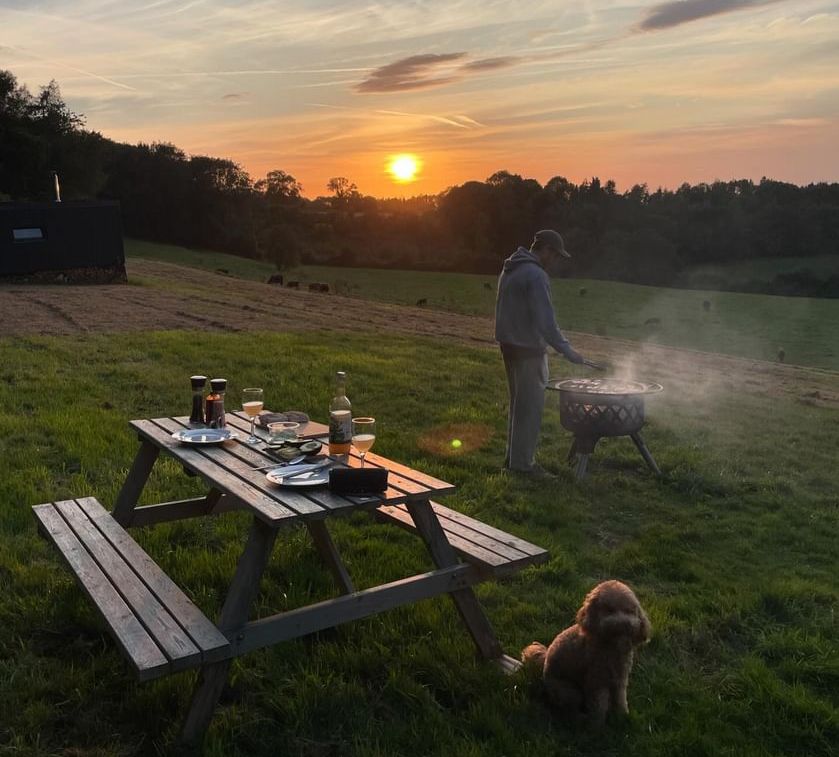
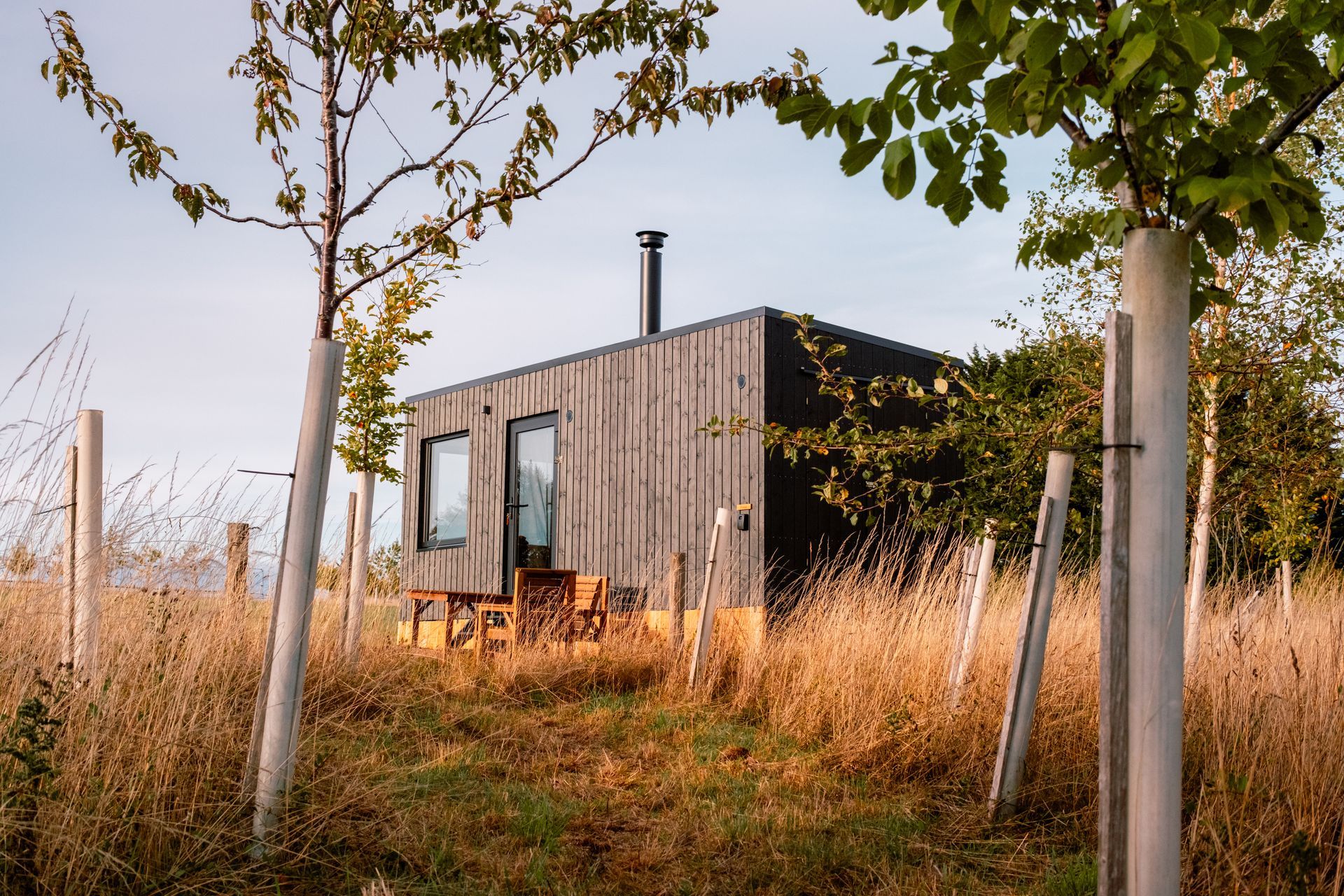
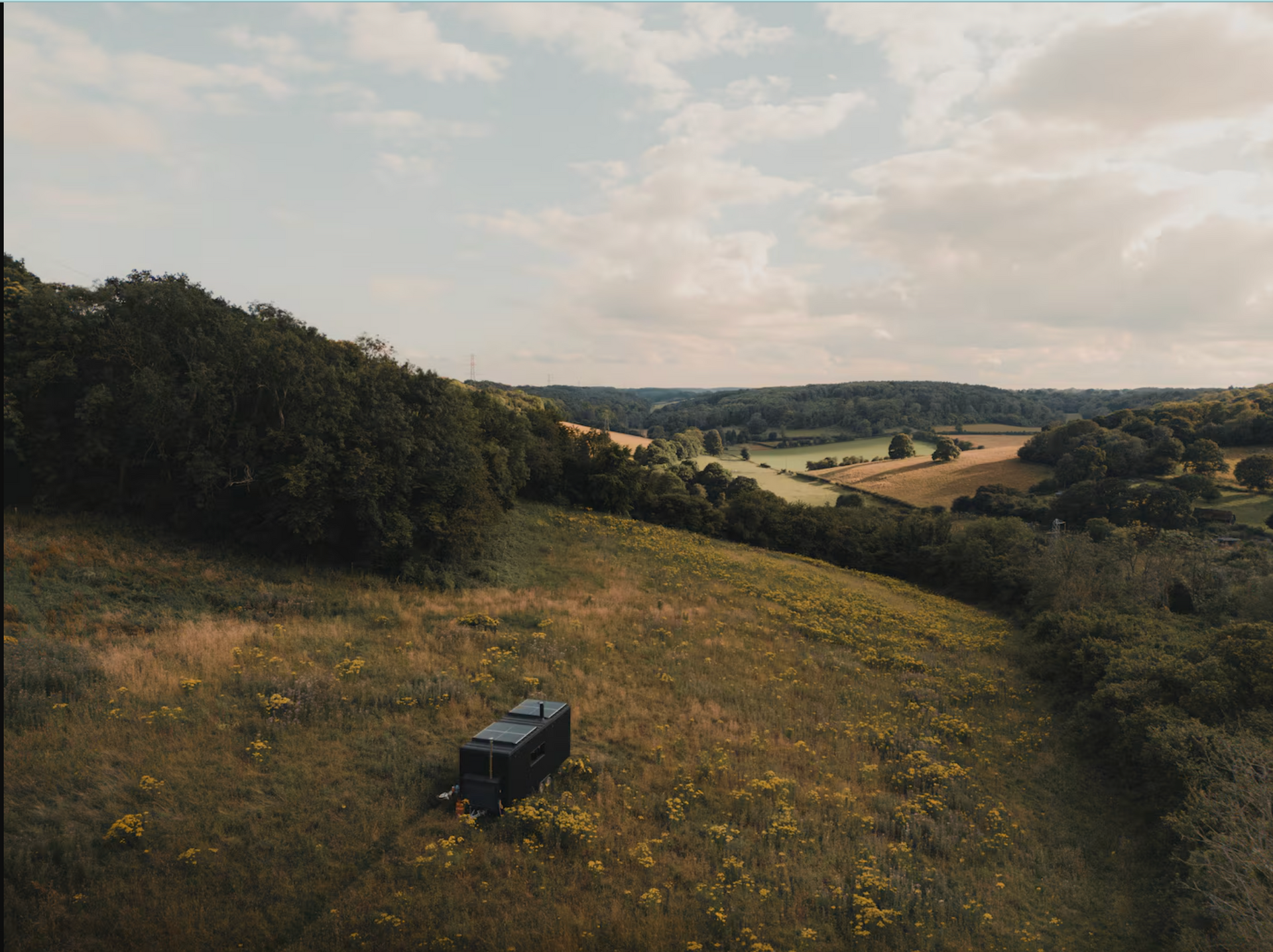
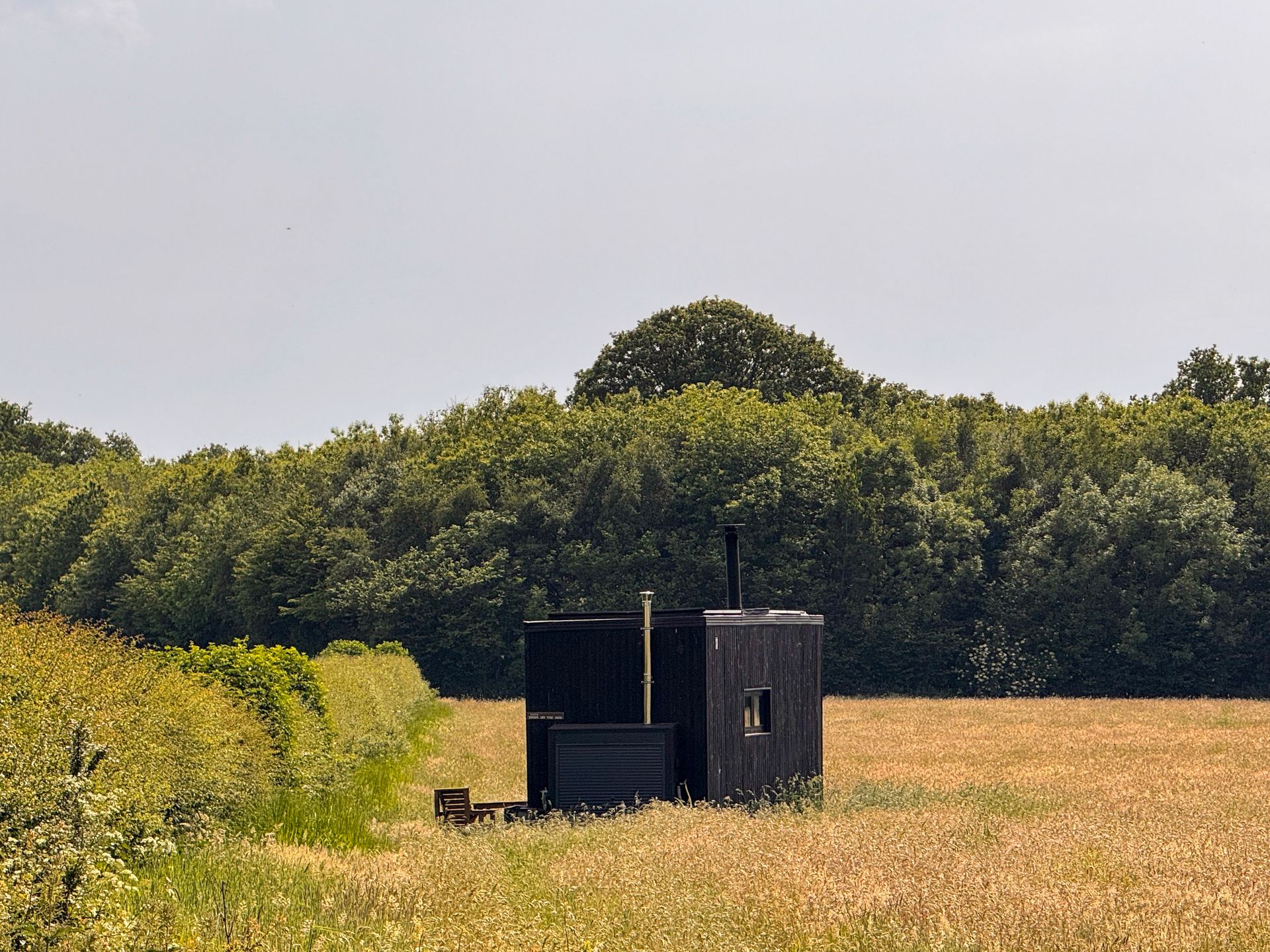
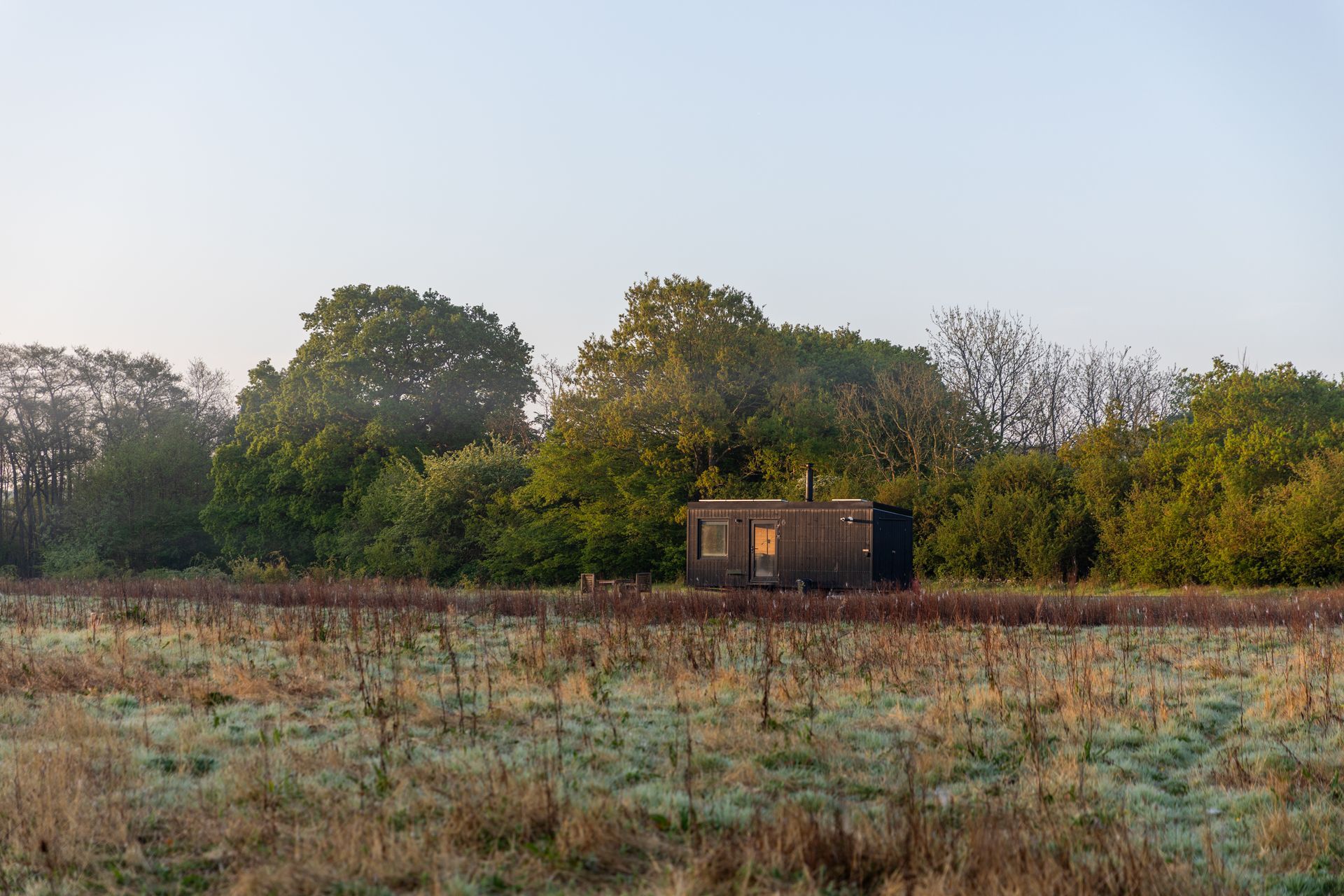
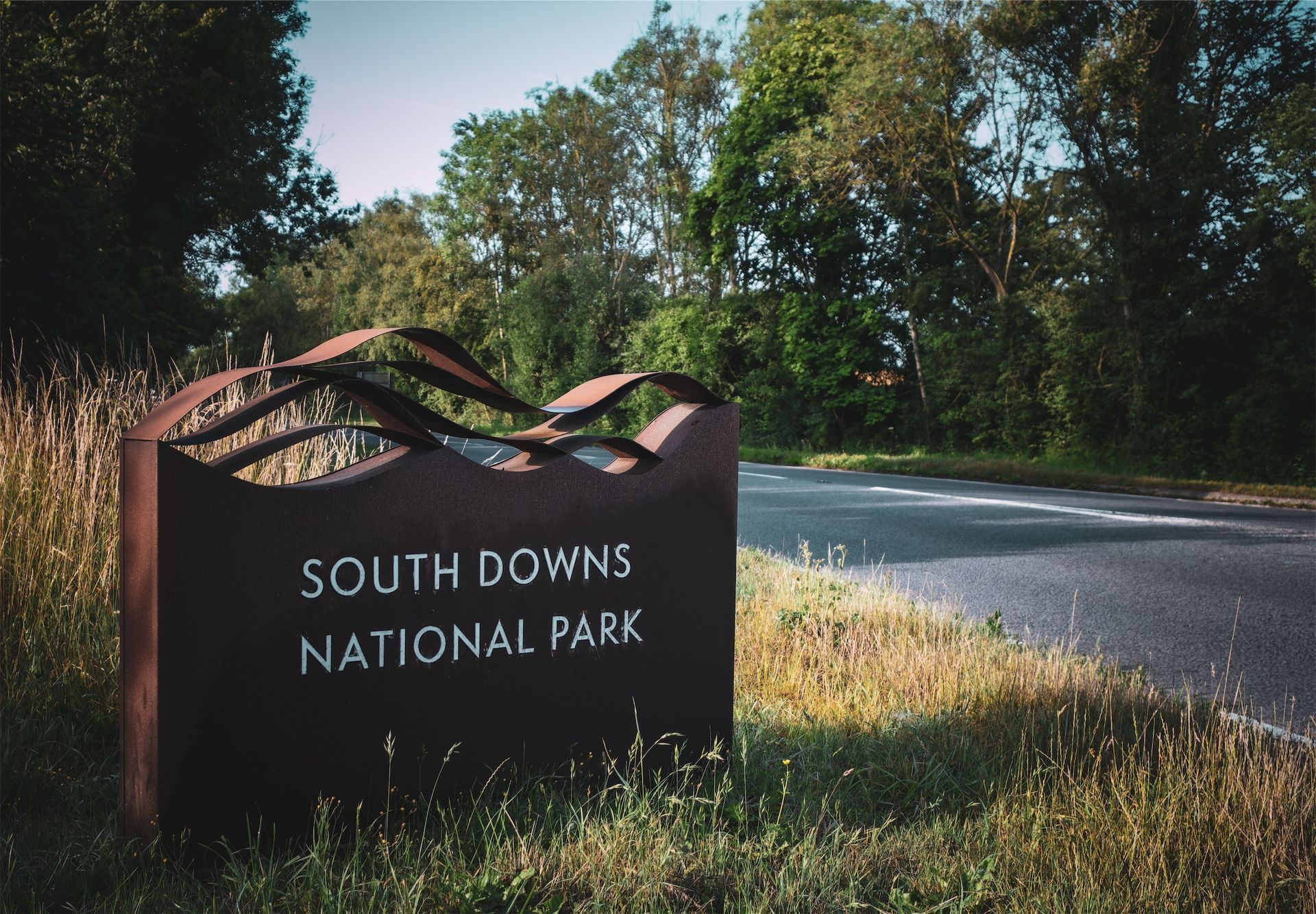
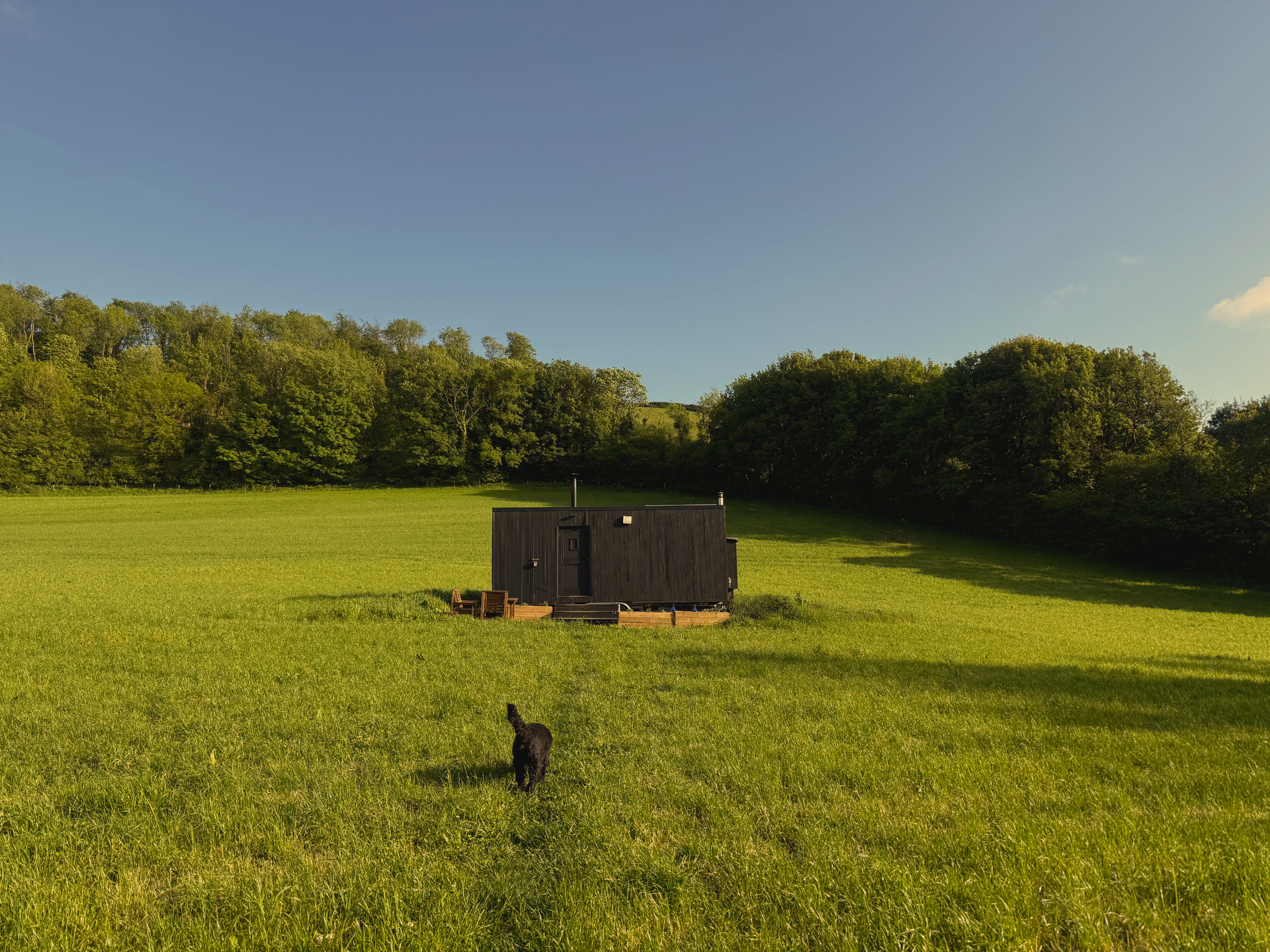
There's a particular kind of peace you only find in the places we've chosen for our cabins. It's the quiet of a hedgerow waking up at dawn, of a buzzard turning lazy circles over a wheat field, of a fire crackling while the stars do their slow, silent thing overhead. That quiet is the whole point and it's surprisingly easy to protect once you know how. The Cotswolds, Canterbury, Dorset, East Sussex, the South Downs. These are all Areas of Outstanding Natural Beauty (or National Landscapes, as they're now called), and they're beautiful precisely because generations of people have treated them gently. We'd like to keep it that way. Which brings us to the Countryside Code. So, what actually is the Countryside Code? The short version: it's a set of guidelines, first written in 1951 and refreshed every so often since, that helps everyone enjoy the countryside without wrecking it for the wildlife, the farmers, or each other. It's not a rulebook with a man in a tweed cap waiting to fine you. It's more like good manners for being outdoors, organised around three lovely, simple words: Respect. Protect. Enjoy. We think that's a pretty good philosophy for a weekend off the grid, too. Here's how it shapes the way we run our sites, and the small things we ask of guests while they're with us. Leave no trace (and we mean no trace) Leave no trace is exactly what it sounds like. When you pack up and drive home, the area your cabin sits on should look the same as it did when you arrived. No rubbish left behind, no cigarette ends tucked into the grass, no forgotten wine bottle behind the log store. We provide bins and we ask that anything that came with you leaves with you, food scraps included. Apple cores and banana skins don't magically disappear, they just sit there for months looking sad. If you've had a fire in the fire pit, we'll show you how to put it out properly and what to do with the cold ashes. Dark skies are a gift One of the best things about our locations is that you can actually see the stars. Proper stars. The kind most people have forgotten exist because they live under a permanent orange glow. Dorset and the South Downs in particular have some of the darkest skies in southern England, and we'd like to keep them that way. This is why you won't find floodlights or fairy lights strung across our sites. We ask guests to keep outdoor lighting to a minimum (a head torch for nipping to the compost loo, a lantern by the fire) and to point any light they do use downwards, never out across the fields. Your eyes adjust faster than you'd think. Within twenty minutes the Milky Way shows up like it's been waiting for you. Wildlife was here first Every one of our sites is home to creatures who were there long before we arrived. Barn owls hunting at dusk. Badgers on their nightly rounds. Ground-nesting birds in spring who will abandon their eggs if disturbed. Deer that freeze at the edge of the tree line, waiting to see what you'll do next. The ask is simple: give them space. Keep dogs close, especially between March and July when birds are nesting. Stay on the footpaths. Don't feed anything, however tempting. A fed fox becomes a bold fox becomes a problem fox, and it always ends badly for the fox. And if a hare breaks cover ten feet in front of you on a morning walk, just stop and watch. That's the whole weekend right there. Quiet enjoyment Our sites are designed to sit lightly within the landscape. Guests are asked to minimise vehicle use, avoid artificial lighting where possible, and respect the quiet character of surrounding farmland and neighbouring homes. That means no Bluetooth speakers carrying across the valley, no late-night shouting around the fire, no drones buzzing over the treetops at seven in the morning. Most of our guests arrive desperate for exactly this kind of quiet, so it rarely needs saying. But it's worth saying anyway. The soundtrack here is meant to be wood pigeons, wind in the hedges, and the occasional distant sheep. Be kind to the people who live here The countryside isn't a theme park. It's somebody's home, and for many people it's also their workplace. The farmer whose tractor you pass on the lane is trying to get a job done. The cottage at the end of the track belongs to someone who probably moved there for the same peace and quiet you came looking for. A few small things make all the difference. Drive slowly on single-track lanes. Pull into passing places with a smile and a wave. Buy your bread and eggs from the village shop if there is one. Say hello to the dog walker coming the other way on the footpath. This is how rural communities stay welcoming to visitors, and it costs nothing. Oh, and gates: leave them as you find them. Open stays open, closed stays closed. There's usually a reason. Low vehicle movement Cars are the loudest, most intrusive thing most of us bring into the countryside, so we keep them to the edges. Once you've parked at your cabin, we'd love you to leave the car there for the duration if you can. Walk to the village. Cycle to the pub. Let the kids run the footpaths barefoot. The less the engine turns over, the more the landscape relaxes around you. If you do need to drive during your stay, go gently. Rural lanes are shared with horses, walkers, cyclists, wildlife, and the occasional pheasant who has made a poor life decision. A light footprint, on purpose You'll notice our cabins are deliberately minimal. No extras humming away twenty-four hours a day. No concrete bases. No mains electricity pylons marching across the field. The infrastructure is small because the landscape is the point. Respect. Protect. Enjoy. That's really all it comes down to. The Countryside Code isn't a list of things you're not allowed to do. It's a quiet invitation to be a good guest in somewhere special. Arrive gently, tread lightly, leave it better than you found it if you can, and in return the countryside gives you everything we came here hoping for: stars, silence, the smell of woodsmoke, and a weekend that feels three times longer than it was. We'll see you out there. Close the gate behind you.